

VortexPaddle
Cold-Pressed vs Thermoformed Pickleball Paddles: Manufacturing, QC and Sourcing Trade-offs
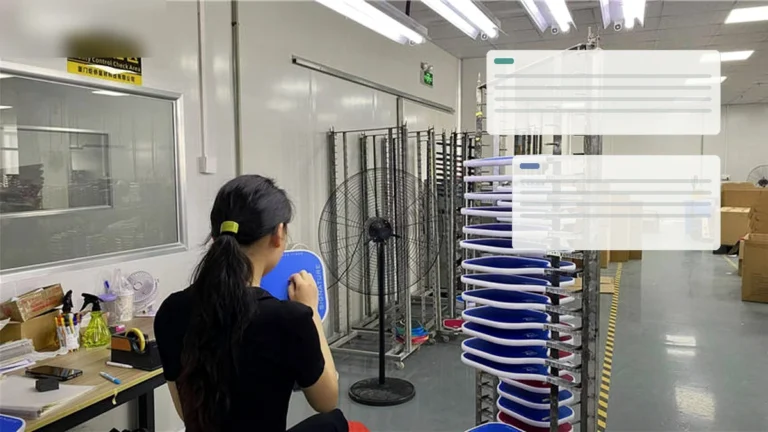
Compare cold-pressed and thermoformed paddle construction as manufacturing choices, then validate QC, samples, change control, and compliance before bulk production.
Why Gen 3 and Gen 4 Labels Should Not Replace Sample Testing
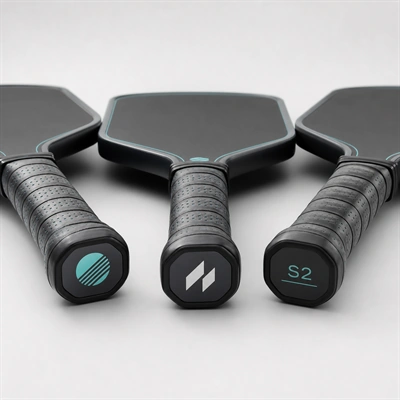
Gen 3 and Gen 4 have become convenient ways to discuss newer pickleball paddle constructions. For a brand owner, product manager, or wholesale buyer, the labels appear to simplify sourcing. One term can suggest a construction direction, a more technical…
Why Edgeless Paddle Design Needs More QC Discipline Than It Looks
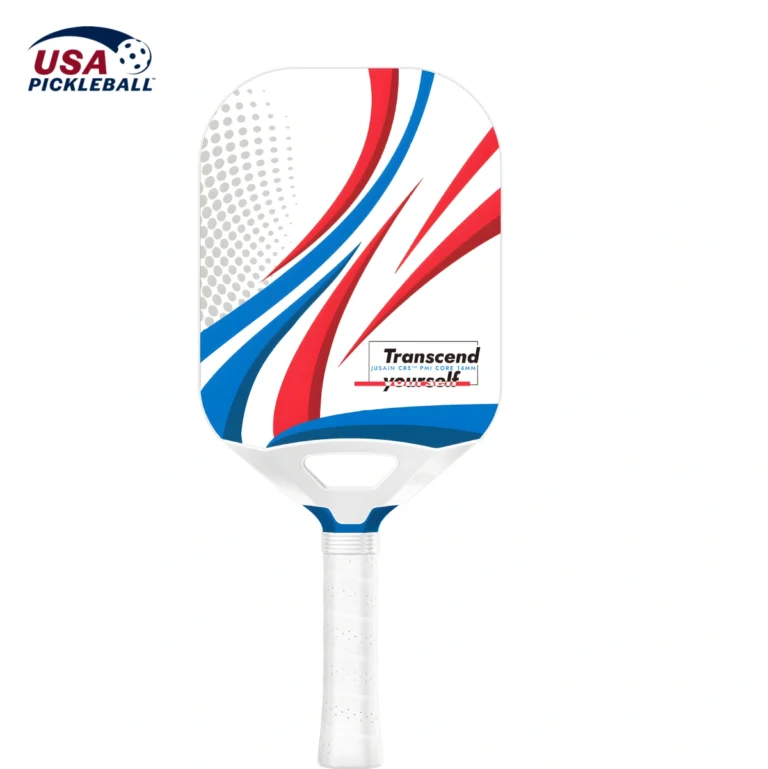
Why clean edgeless paddle design raises the QC burden for perimeter integrity, CNC accuracy, finish consistency, packaging, and repeat orders.
Why Fiberglass Still Belongs in Serious Wholesale Paddle Programs
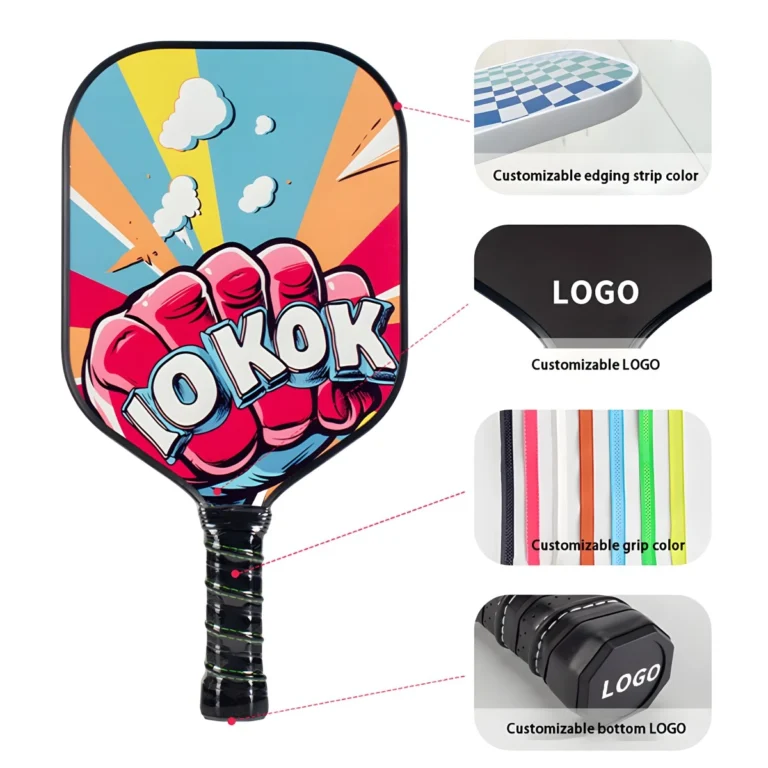
Fiberglass paddles still work for clubs, schools, starter sets, value lines, and wholesale programs when cost, feel, packaging, and SKU roles are planned well.
Why T700 Raw Carbon Fiber Became a Buyer Shortcut and Where It Can Mislead Brands
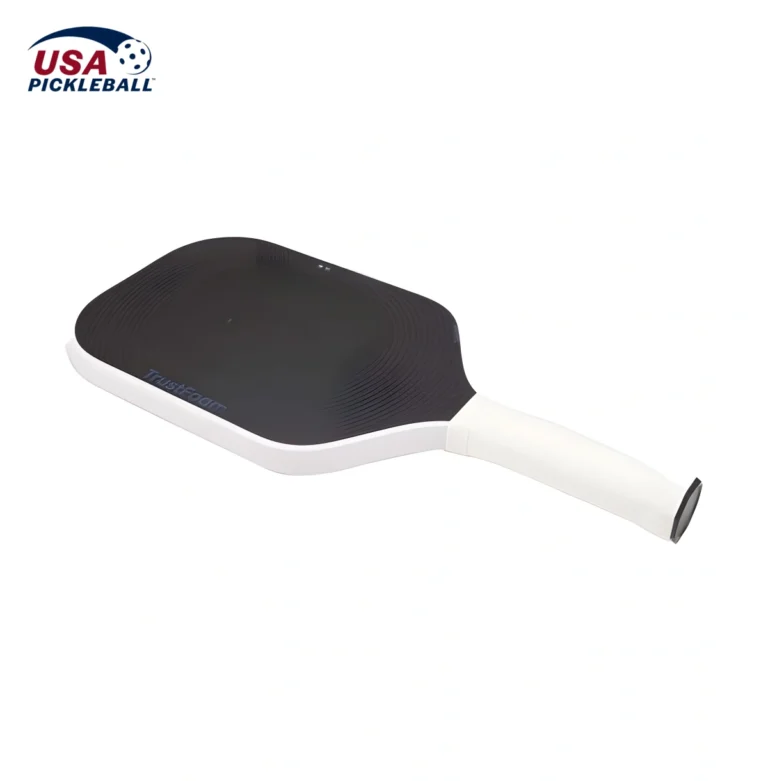
A factory view on why T700 raw carbon fiber became a quick buyer signal, and why brands still need process, QC, surface, and SKU context.
Why Amazon Sellers Should Stop Copying the Same Paddle Spec
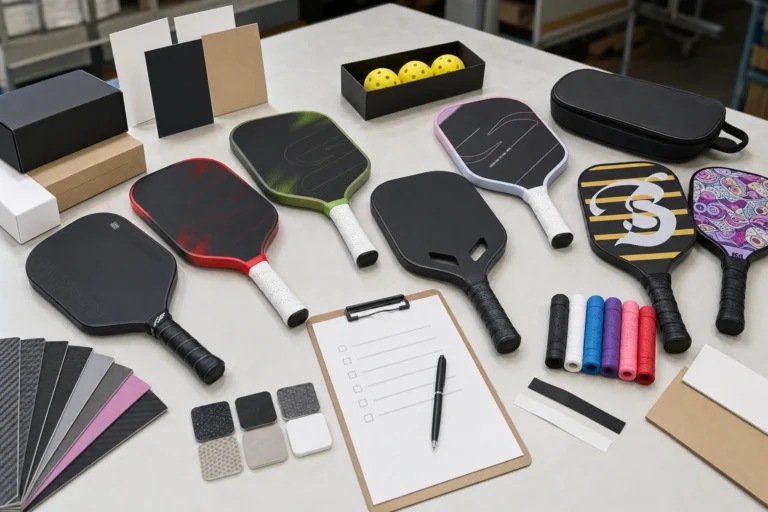
Copying the same paddle specs can make Amazon listings look replaceable. Brands need clearer positioning, packaging and QC.
Why USAPA-Ready Development Must Start Before Artwork and Packaging
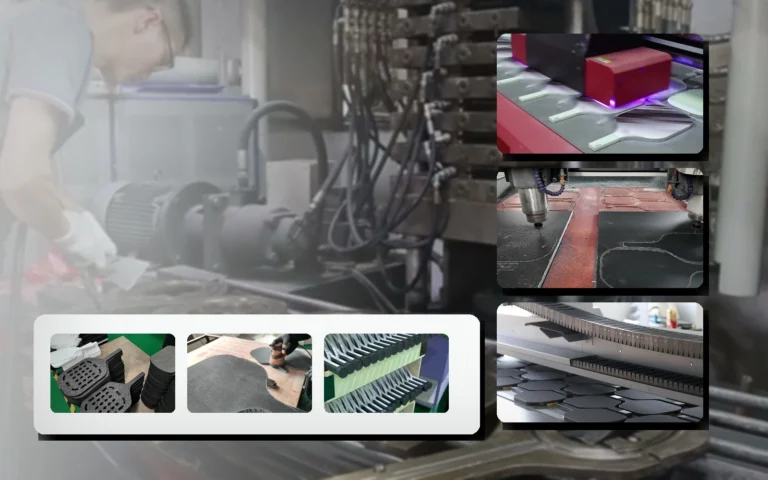
USAPA-ready paddle development should begin before artwork and packaging so eligible specs, samples and documentation stay aligned.
Why 16mm Became Popular and When a Brand Should Still Choose 14mm
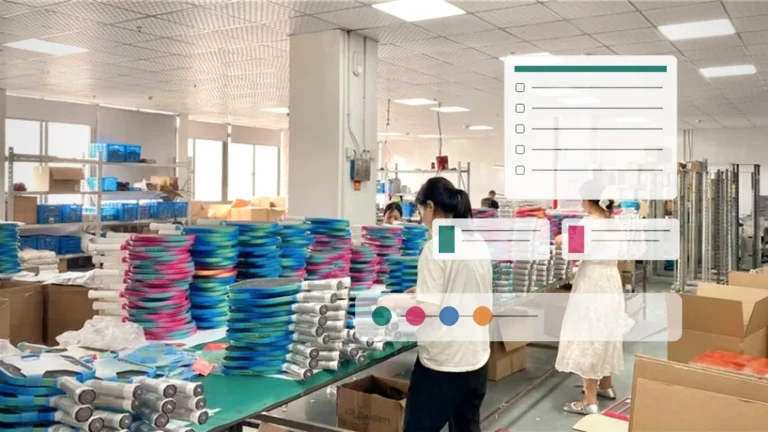
A factory view on why 16mm paddles became popular, when 14mm still fits a brand, and how thickness should match buyer, channel, and QC.
Why Thermoformed Paddles Are Not Automatically Better for Every Buyer
A factory view on when thermoformed paddles fit a buyer, and when cold pressed, fiberglass, control, or value SKUs may work better.
Why Custom Paddle Projects Fail Before Sampling Starts
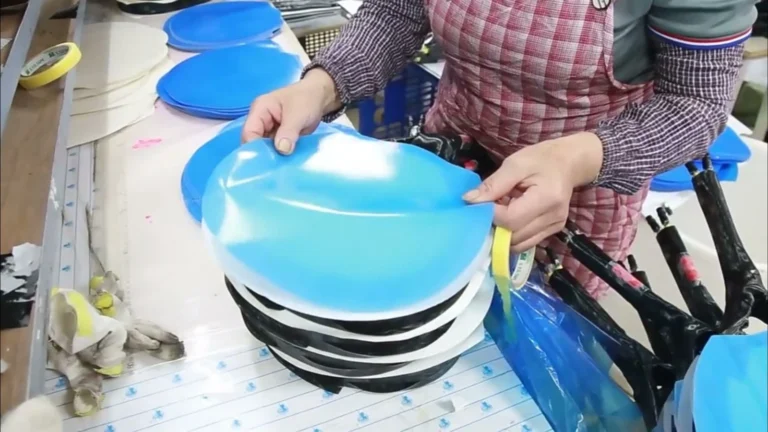
Many custom paddle projects fail before samples because specs, artwork, target buyers, packaging and approval needs are unclear.