
ODM development capability
ODM Pickleball Paddle Development
Start with a target market and product direction, then narrow platform, material, geometry, branding, packaging, and sample decisions into a specification that can be released for production.
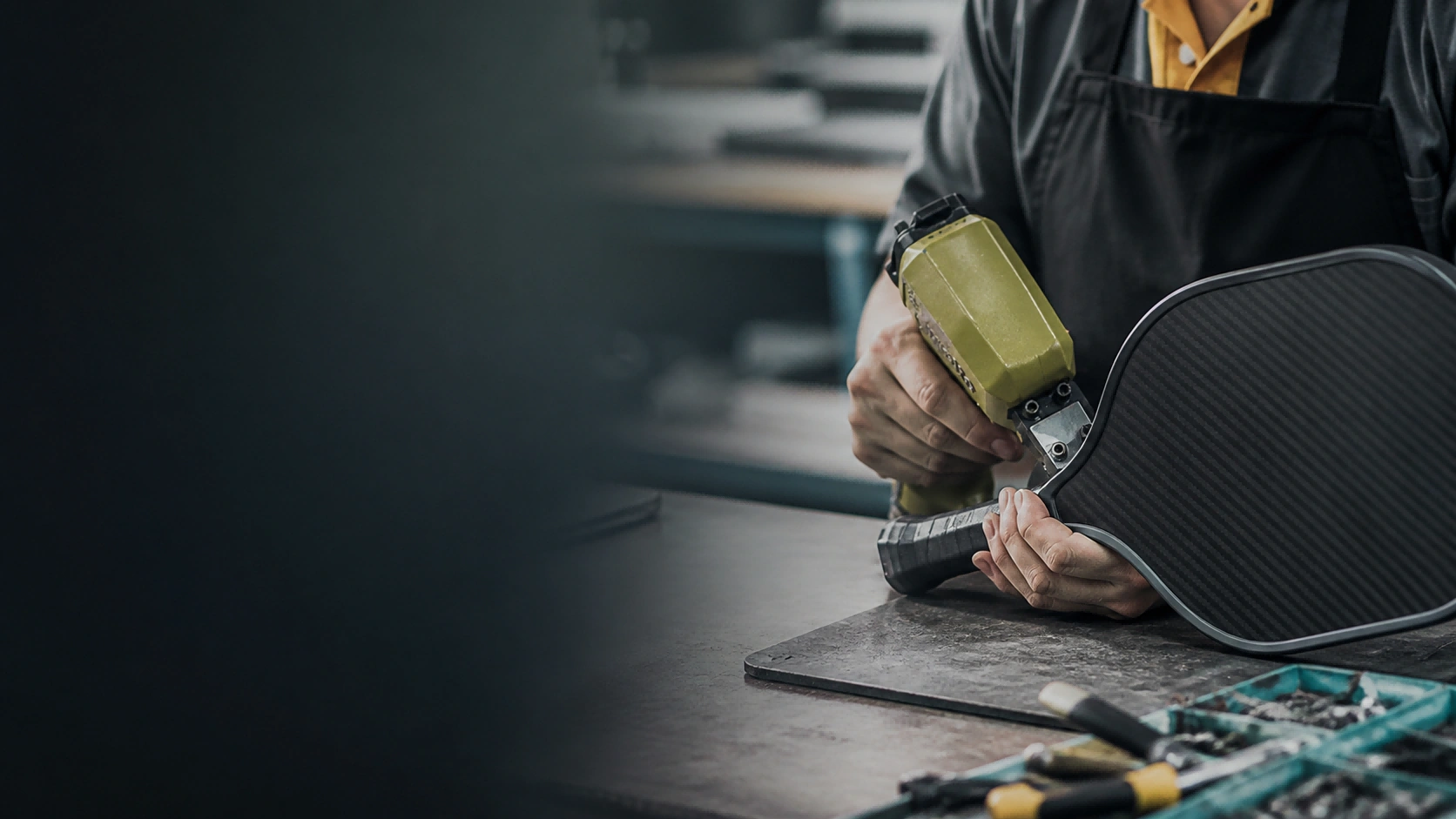
Choose the route by what is already defined
ODM and OEM solve different starting conditions
ODM is the better route when important product choices are still open. OEM is the better route when the product definition is already controlled and the factory is executing against that approved requirement.
Choose ODM when
You know the buyer, channel, price position, or product direction, but still need to compare practical platform, material, shape, thickness, branding, packaging, and sample options.
Choose OEM when
You already have a confirmed design, drawing, reference sample, or documented specification and need production aligned to that definition.
Start with the market, not a finished drawing
A useful ODM brief tells us who the paddle is for and what commercial job it needs to do. The development work then turns open choices into a shortlist that can be sampled and reviewed.
- Target player or buyer group
- Primary sales channel
- Target price position
- Preferred performance direction
- Pilot quantity range and launch window
- Existing logo, packaging, or reference products
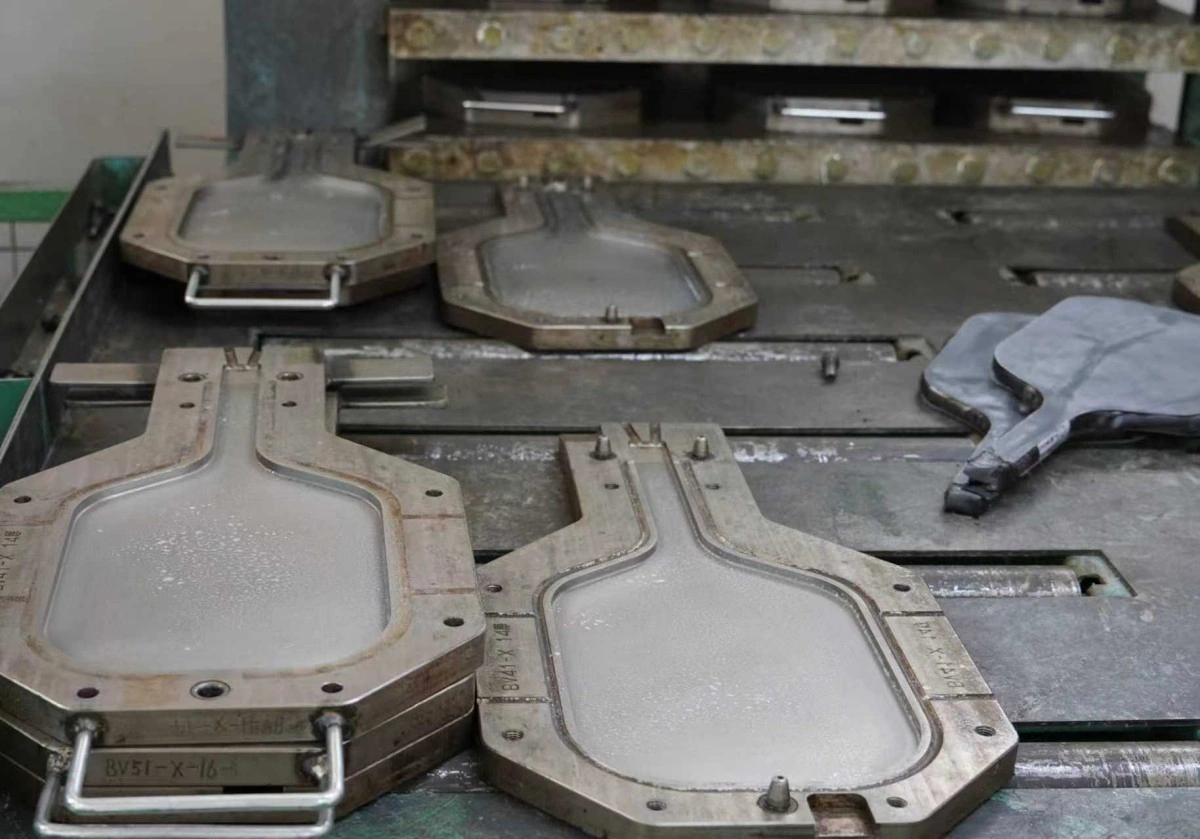
Narrow the platform before refining the details
ODM development is a decision process, not a promise that every option belongs in one paddle. Sample work should narrow the product into a coherent specification for the intended buyer and channel.
Surface and construction
Compare the material and construction direction that fits the intended product position. Final choices are confirmed through the project brief and sample.
Geometry and handle
Confirm shape, thickness, handle length, grip direction, and other physical choices against the target use case.
Appearance and brand
Lock artwork revision, logo placement, finish direction, model naming, and any buyer-owned visual requirements.
Packaging and SKU
Define retail or wholesale packaging, labels, accessories, barcode/SKU information, and carton marks required for the order.
Sample review
Use the sample to evaluate product feel, appearance, brand presentation, packaging, and any project-specific requirement before release.
Release specification
Document the accepted product definition so manufacturing and quality control follow the same reference.
Development workflow
Move from open brief to a production-ready definition
Development is sequential, but it can loop when a sample sends the project back to material, geometry, artwork, or packaging decisions. Production begins only after the product definition is released.
1. Define the brief
Buyer, channel, product position, quantity direction, references, artwork, and packaging needs.
2. Narrow the platform
Compare practical material, construction, geometry, and component directions.
3. Develop the sample
Build the agreed sample path and review the product against the project brief.
4. Lock revisions
Record accepted changes to product, artwork, packaging, and any project-specific check.
5. Release to production
Hand the controlled specification into manufacturing and the matching QC plan.
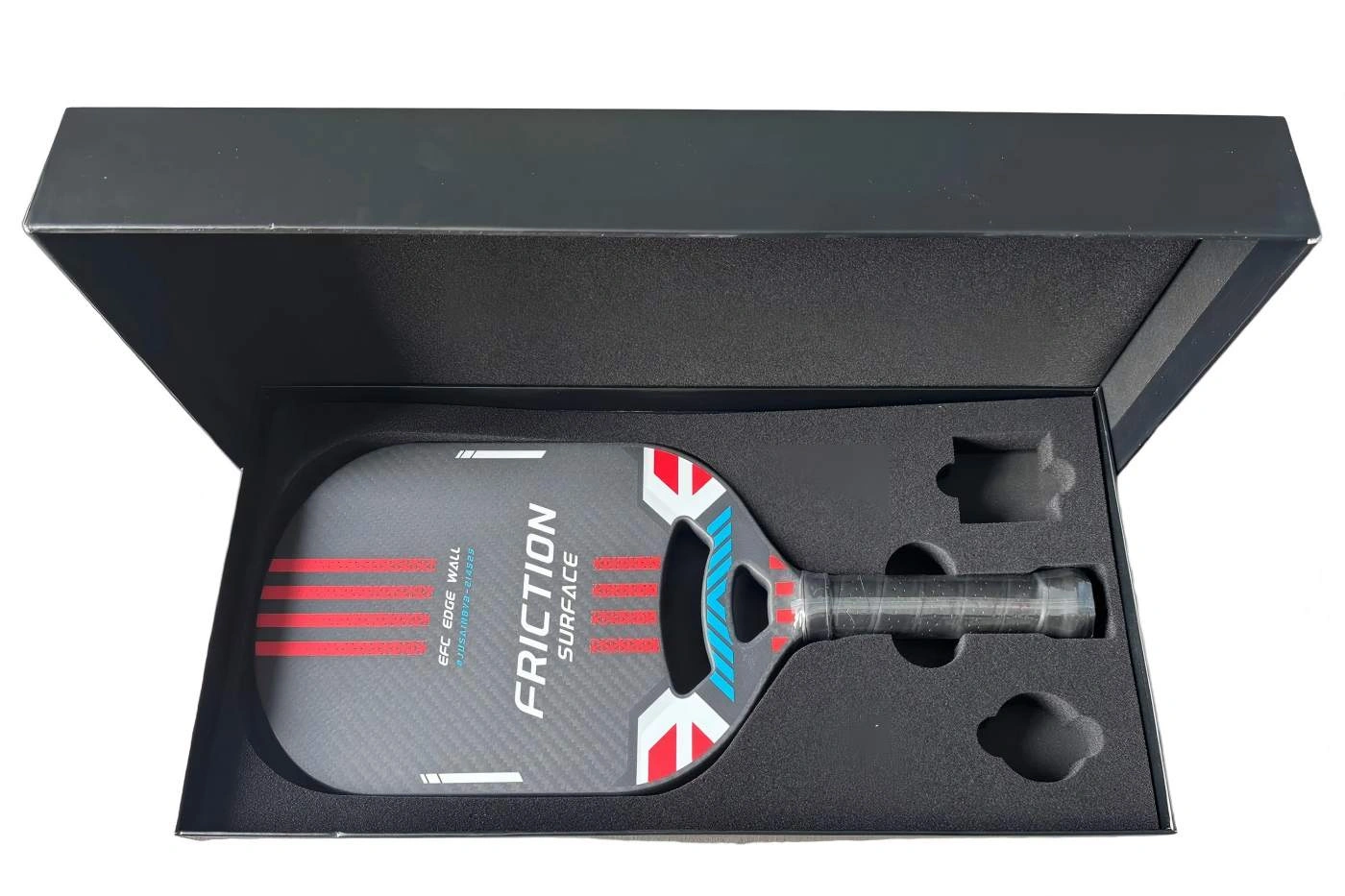
Sample to release
Use the sample to decide what the brief cannot
The sample is where product choices become a physical reference. Review the areas that matter to the project, record accepted revisions, then carry that reference into manufacturing, quality control, packaging, and repeat orders.
- Product appearance and build direction
- Handle, grip, and geometry review
- Surface and artwork review
- Packaging and label review
- Project-specific inspection or approval-preparation requirements
ODM questions before product lock
Can an ODM project start without a finished design?
Yes. A buyer can begin with the target market, channel, product direction, references, and brand requirements. The open product choices are then narrowed before sampling.
What if the specification is already final?
Use the OEM route when the controlled design or documented requirement is already established and the main job is manufacturing execution.
Does development guarantee official approval?
No. Development can prepare a product for project-specific review, but any external approval depends on the relevant official process for the exact model.
What should be sent for a quote?
Share the target buyer, channel, quantity direction, product references, logo or artwork, packaging needs, and any required inspection or external approval context.
Bring the market idea. Build the specification through the sample.
Send the product direction you already know. We will use it to structure the next development discussion without turning ODM into a vague promise of unlimited customization.