
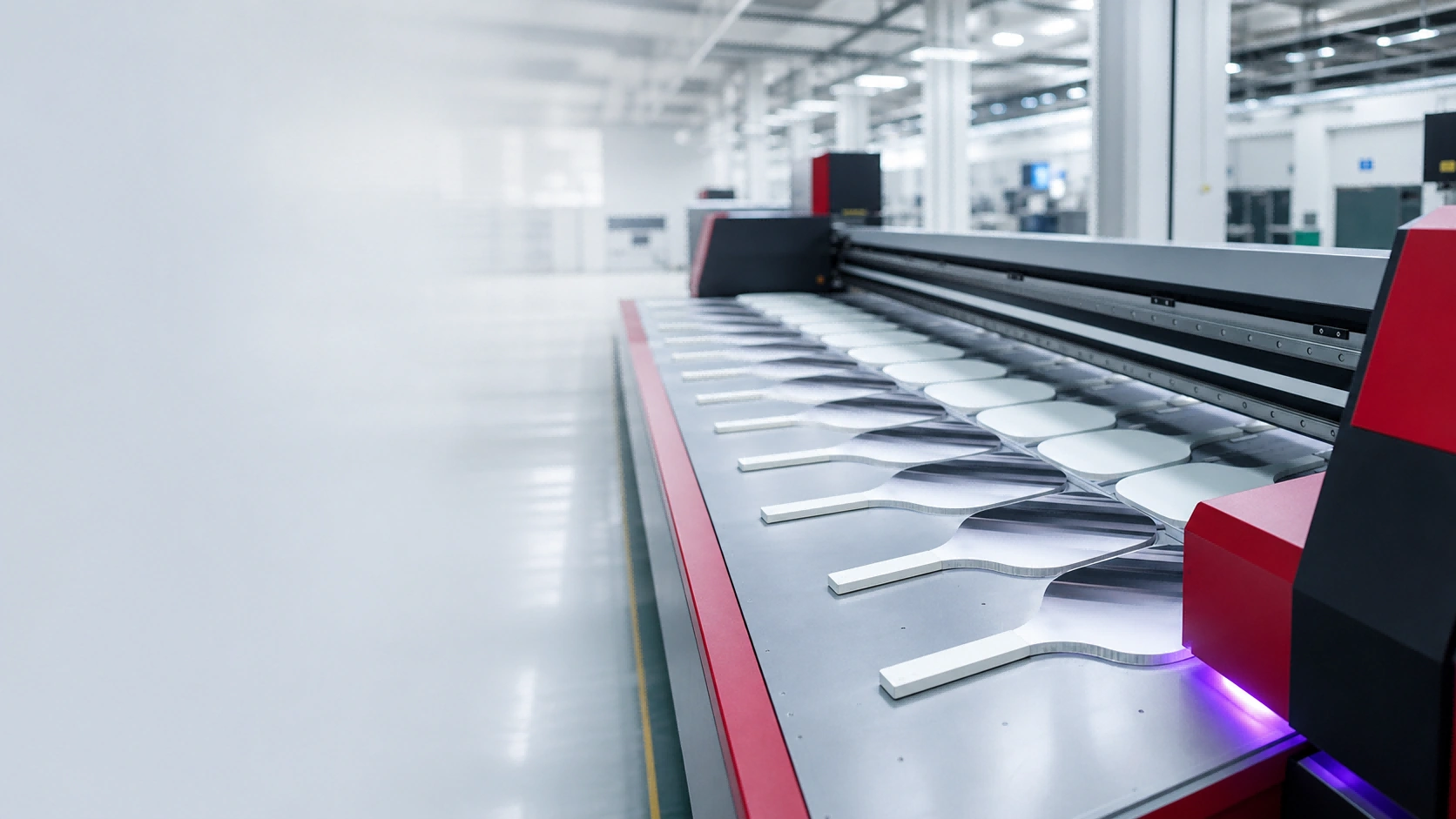
Manufacturing process capability
Pickleball Paddle Manufacturing Process
See how a confirmed paddle specification and approved sample move through material preparation, forming, trimming, finishing, assembly, quality control, packaging, and release.
Production starts with a controlled input
Do not let production reinterpret the approved product
The factory process begins from the released definition: approved sample or specification, material and construction direction, geometry, artwork, components, packaging, and any project-specific acceptance requirement.
Product definition
Shape, material, thickness, handle, component, surface, artwork, and packaging requirements.
Approved reference
The accepted sample, drawing, specification, or documented revision used to guide production.
Control points
The project-specific checks that connect process stages to final quality control and release.
Every stage carries a decision forward
The exact equipment and parameters depend on the selected construction. The control principle stays the same: later production stages should follow the released product definition rather than create a new one.
1. Specification lock
Confirm the released product definition, artwork revision, packaging, and project-specific checks.
2. Material preparation
Prepare the confirmed face, core, adhesive, and component route for the project.
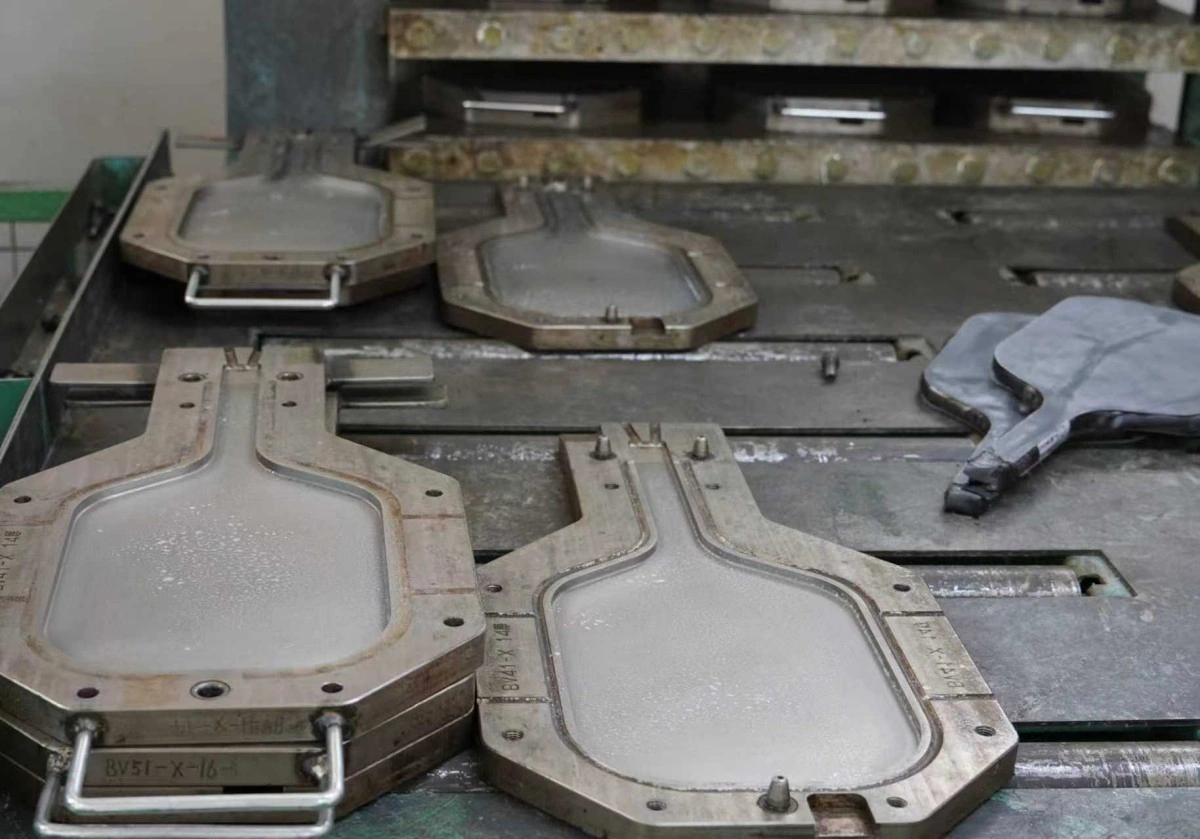
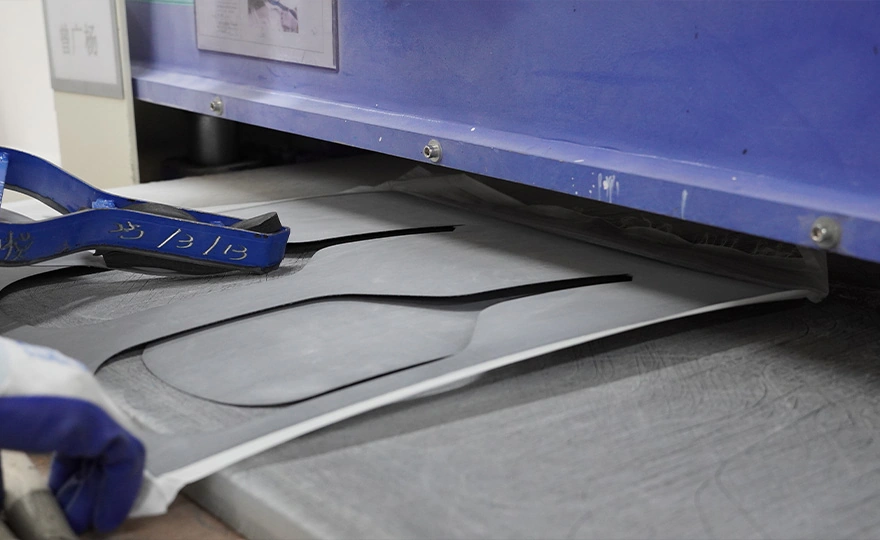
3. Layup or forming
Build the paddle body using the construction selected for that model.
4. CNC and trimming
Bring the formed paddle body to the approved outline and finishing condition.
5. Surface and artwork
Apply the specified surface finish, printing, logo, or other approved visual treatment.
6. Assembly
Install the confirmed edge system, handle/grip components, neck band, butt cap, and related parts.
7. Final quality control
Check the finished product against the released reference and project-specific acceptance requirements.
8. Pack-out and release
Confirm labels, accessories, packaging, carton marks, and shipment-ready order separation.
Construction route
The process changes with the selected paddle build
Cold-pressed, thermoformed, and other confirmed constructions do not use one identical sequence. The project should lock the construction first, then control the relevant preparation, forming, trimming, finishing, and assembly steps.
Process control is more than final inspection
Sample to specification
Record what was approved so production is not relying on memory or a verbal summary.
Material to model
Keep confirmed material and component choices tied to the correct paddle model and order.
Artwork to revision
Use the approved artwork and packaging revision instead of mixing versions during production.
Production to QC
Carry the same released definition into final inspection, packing, and reorder records.
Factory evidence
Connect each factory image to a real production job
Equipment photographs are useful when they explain what happens to the product at a specific stage. They are not a substitute for a released specification or a QC result.
Preparation and forming
Use process evidence to show how the confirmed construction moves from material preparation into the paddle body.
Trimming and finishing
Show where shape, edge condition, surface, artwork, and assembly work occur.
Pack-out
Connect packaging and label requirements to the exact order before shipment.
Manufacturing hands off to quality control at every critical checkpoint
Final inspection is one layer of control, not the whole system. The released product definition should remain visible through in-process checks, final inspection, packaging, and any repeat order.
In-process checks
Confirm relevant material, trimming, surface, assembly, or artwork details while the order is being produced.
Final product checks
Compare appearance, dimensions, weight range, build, components, and packaging against the approved reference where required.
Release records
Keep order and inspection evidence connected to the released model and revision.
Manufacturing process questions
Does every paddle use the same manufacturing process?
No. The sequence depends on the selected construction, materials, shape, components, artwork, and project requirements.
When should production begin?
After the product definition, sample or specification, artwork, packaging, and other required project decisions have been confirmed.
Is final QC enough to control the order?
No. Stronger repeatability comes from carrying the released reference through material, process, assembly, final inspection, and packaging checkpoints.
What should I provide for a production quote?
Send the paddle route, target quantity, product definition, artwork, packaging, and any project-specific inspection or external approval requirement.
Release a manufacturing brief that can survive the move from sample to reorder.
Share the controlled product definition and the requirements that must remain stable in production, QC, packaging, and repeat orders.