
CUSTOM MANUFACTURING CAPABILITY
Custom Pickleball Paddle Manufacturer for Brand Projects
Turn a brand brief into a reviewable paddle specification by defining material, construction, artwork, grip, packaging, sample requirements, and quality checkpoints before production.
PROJECT INPUT
Bring this from your team
Commercial context
Target market, sales channel, buyer profile, estimated quantity range, and launch requirements.
Product direction
Reference paddle, intended positioning, preferred material or construction, and any must-have dimensions.
Brand assets
Logo, artwork, color direction, model naming, packaging and labeling requirements.
FACTORY DEFINITION
Define this before sampling
Structure
Surface material, core, thickness, shape, handle, edge and grip choices available for the selected platform.
Brand execution
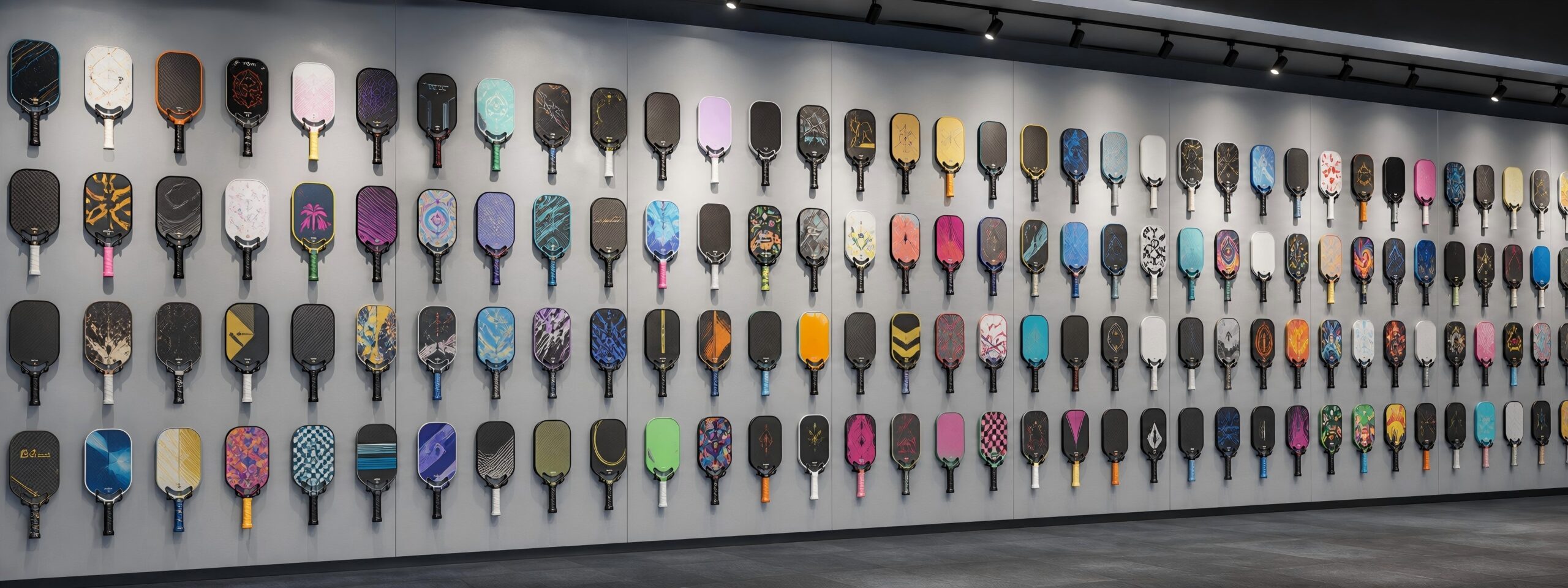
Artwork placement, production method, grip and edge details, end-cap direction, and packaging configuration.
Acceptance points
Sample review items, packaging checks, and production criteria your team expects to verify.
CONFIGURATION MATRIX
Separate product decisions from decoration decisions
A custom project works better when structure, surface, branding, and packaging are defined as separate control layers instead of one vague custom-paddle request.
Surface
Discuss carbon fiber, fiberglass, aramid or Kevlar, titanium-wire surface, or other project-dependent options already supported in the product program.
Construction
Review available cold-pressed, thermoformed, edge-guard, edgeless, core, thickness, shape, and handle directions for the chosen platform.
Branding
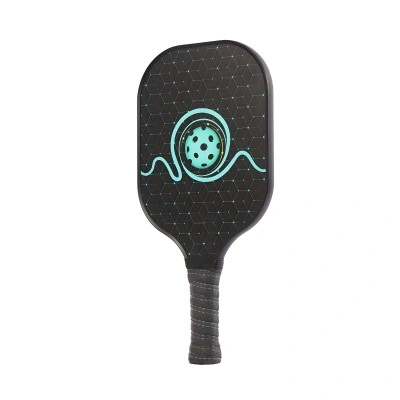
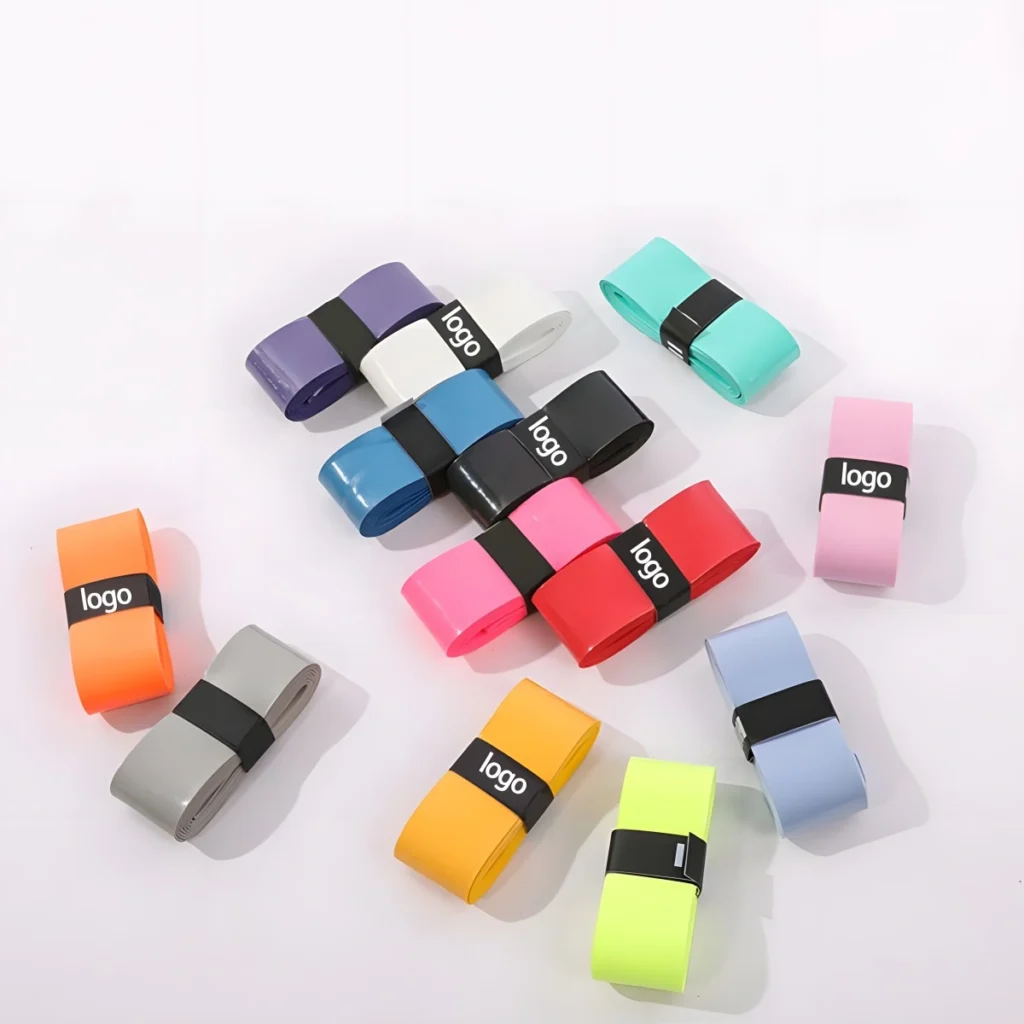
Define logo placement, full-paddle artwork, colors, grip details, edge details, and end-cap branding where the selected model supports them.
Packaging
Plan retail boxes, labels, hang tags, barcode or SKU labeling, bundles, and carton-mark requirements around the sales channel.
SAMPLE DEVELOPMENT
Use the sample as the project control point, not just a visual preview
The approved direction should connect artwork, product structure, packaging, and later production review. Exact timing and commercial terms remain project-specific.
1. Project brief
Share buyer, product, quantity range, artwork, packaging, and requirement context.
2. Specification review
Review material, core, thickness, surface, grip, edge, branding, and packaging choices.
3. Sample build
Prepare a physical reference for product, artwork, handling, and packaging review.
4. Buyer confirmation
Record changes and confirm the reference direction before production planning.
5. Production handoff
Move approved specification, artwork, packaging, and QC notes into the order workflow.
MANUFACTURING EVIDENCE
Custom scope that can be inspected later
A useful customization choice should map to something the buyer can review in a sample and the factory can check again during production.
Appearance
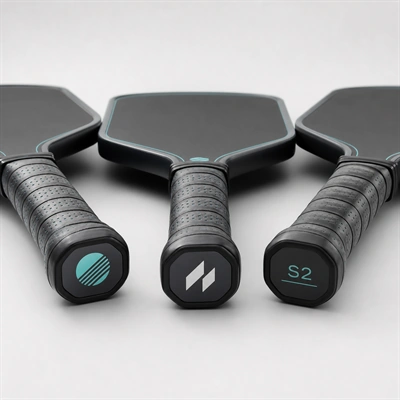
Artwork, color direction, logo placement, surface finish, grip, and edge presentation.
Product
Dimensions, selected construction, surface, handle, grip, and assembled configuration.
Packaging
Retail presentation, labels, accessories, packing method, and carton-mark direction.
ROUTE OWNERSHIP
Keep Custom, OEM, and ODM responsibilities separate
Use this page when the core job is defining a configurable branded paddle project. Do not turn it into a generic product catalog or an OEM process article.
Have a defined specification?
Use the OEM route for controlled manufacturing execution.
Need more product development?
Use ODM when the product definition is still open and broader development support is required.
PROJECT FAQ
Questions to settle before a custom paddle sample
What should we send for the first review?
Share the target market, quantity range, preferred paddle direction, logo or artwork, packaging requirements, and any reference product or market requirement that affects the design.
Can we customize more than the logo?
Current first-party pages document configurable directions covering surface material, construction, shape, thickness, handle and grip, edge details, artwork, end-cap branding, packaging, and related accessories depending on the selected product platform.
When should packaging be defined?
Discuss packaging before final sample and production confirmation when retail boxes, labels, barcodes, SKU labels, bundles, or carton marks are part of the project.
What if our specification is already fixed?
Use the OEM pathway when your team is bringing a defined or approved specification that primarily needs controlled sampling and manufacturing execution.
Turn the brief into a sample-ready specification.
Include the target product, quantity range, artwork, packaging needs, market or channel, and any specification or approval requirements your team already knows.