
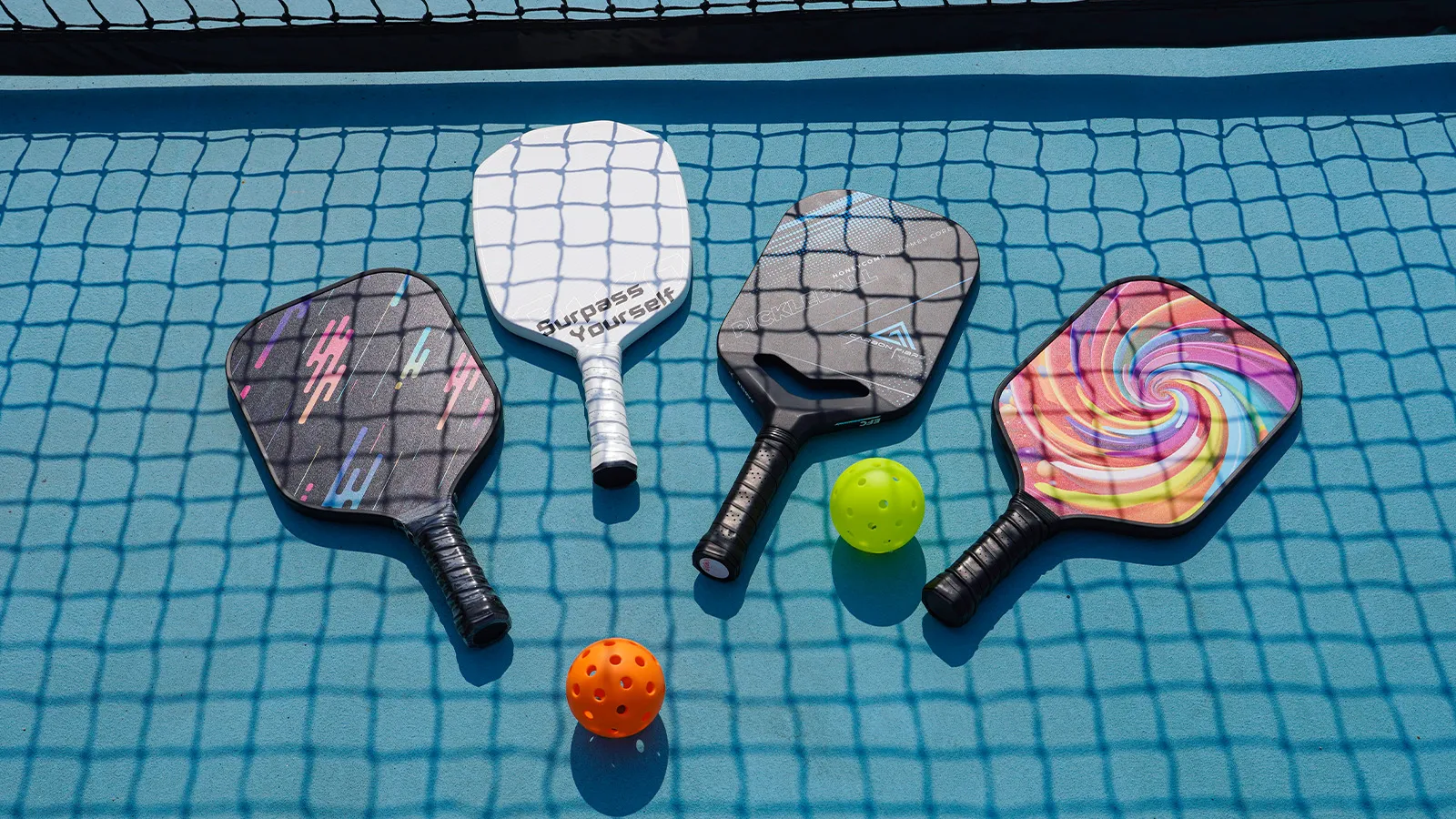
OEM COOPERATION CAPABILITY
OEM Pickleball Paddles Built to Your Approved Specification
Bring a defined product direction or reference specification. Use sampling, confirmation, production notes, quality checkpoints, and packaging controls to carry those requirements into bulk production.
BUYER INPUT
What the buyer owns
Product reference
Reference model or approved product direction, target dimensions or agreed ranges, and intended market position.
Materials and construction
Required or preferred surface, core, thickness, construction, handle, and other model-specific requirements.
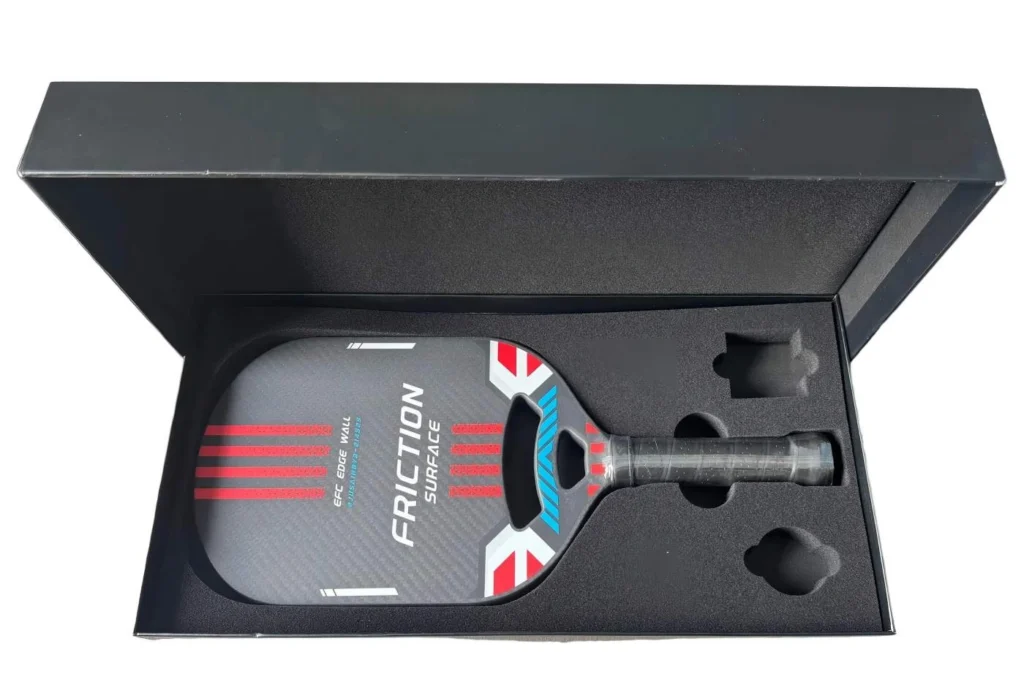
Brand and packaging
Artwork, logo, colors, labels, retail packaging, carton marks, quantity range, destination market, and acceptance criteria.
FACTORY CONTROL
What the factory controls
Requirements review
Check the brief against available manufacturing options and flag specification conflicts before sampling.
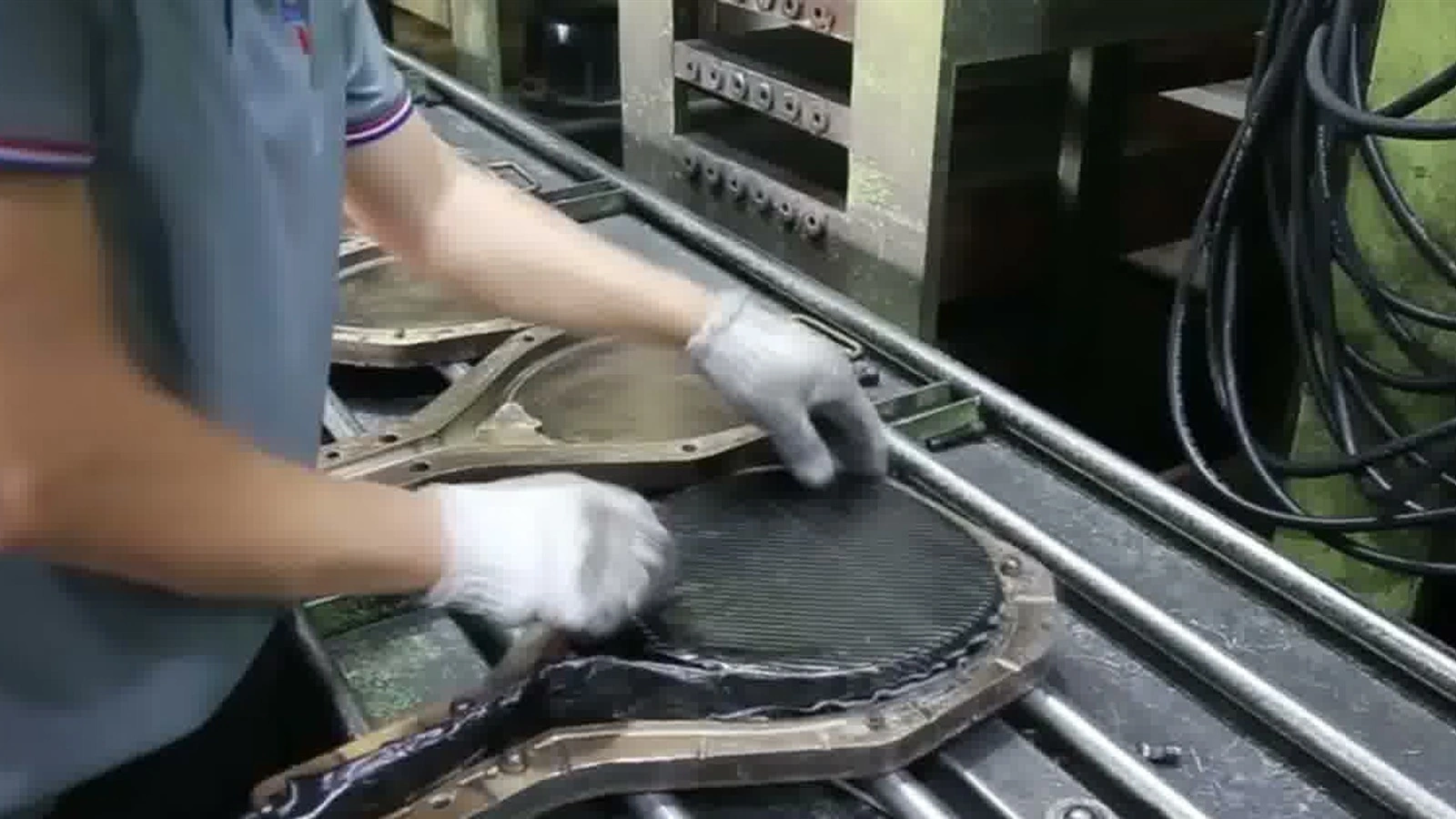
Physical sample
Build and confirm the physical reference for appearance, product details, branding, grip, and packaging direction.
Production and inspection
Carry approved production notes into manufacturing and inspect agreed appearance, dimensions, assembly, branding, packaging, and shipment details.
REQUIREMENT MATRIX
Translate the specification into checkpoints production can follow
Product
Buyer defines the reference, shape, dimensions or range, thickness, handle, and intended direction. Factory confirms the available construction path and sample configuration.
Materials
Buyer defines the required or preferred surface, core, construction, and model-specific requirements. Factory confirms project-specific availability and the sample specification.
Branding
Buyer provides logo, artwork, color direction, model naming and labels. Factory confirms placement, production method, sample appearance and approved files.
Packaging
Buyer defines retail and logistics presentation. Factory confirms the packaging direction and pack-out method.
OEM WORKFLOW
Keep approvals visible from intake through shipment
OEM on this page means controlled execution against defined requirements, not open-ended product ideation.
1. Intake
Collect the defined product, artwork, packaging, quantity, market and acceptance requirements.
2. Review
Check the brief against available material and manufacturing paths before sampling.
3. Sample
Build the physical reference for product and brand review.
4. Approve
Record changes and confirm the final production direction.
5. Produce
Use the confirmed specification and production notes through the order.
6. Inspect
Review agreed product and packaging checkpoints before shipment.
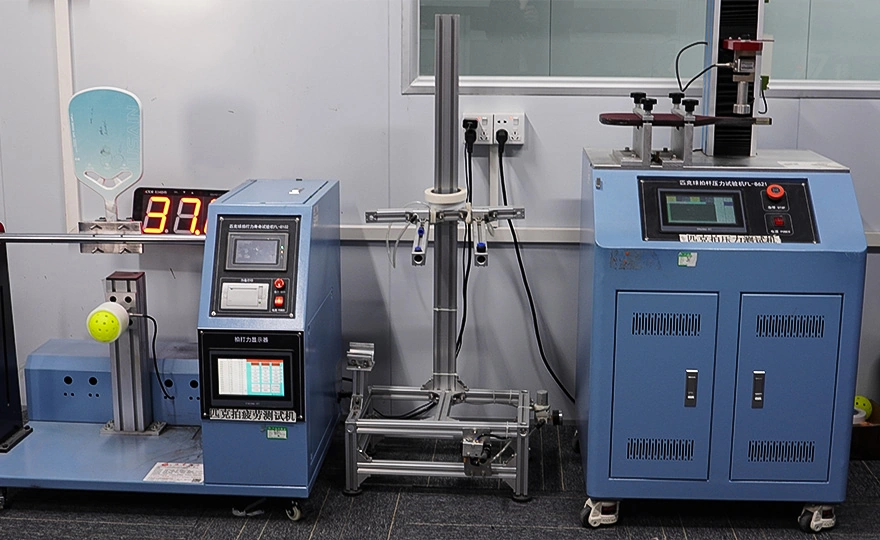
QC AND DOCUMENTATION GATES
Check the order against requirements that matter to the program
Appearance
Surface finish, artwork, logo placement, color direction, grip installation, edge presentation, and visible defects.
Dimensions
Review agreed length, width, thickness, handle or edge details, and project-specific measurement requirements.
Assembly
Check selected construction, surface, grip, edge, end cap, and other agreed model details.
Packaging
Confirm labels, retail presentation, accessories, pack-out, and carton marks against the order requirements.
Shipment evidence
Final photos, videos, packing confirmation, or third-party inspection coordination may be used when the buyer requires them.
OEM DEFINITION
What OEM means on this page
The OEM route is for buyers bringing a defined product direction, reference, or approved specification. The goal is controlled execution, not an open-ended product-development article.
What if our specification is still open?
Use ODM when you need broader development support or want to start from available factory platform directions.
Does OEM automatically include approval or certification?
No. Market or governing-body approval depends on the applicable submission, testing, and review process. Identify any required approval path before bulk production.
Need broader custom-project definition?
Use Custom Manufacturing when material, construction, branding, grip, packaging, and sample requirements still need to be configured.
Need development support?
Use ODM when the product definition is still open.
Send the specification your team wants manufactured.
Include the reference product, material and construction requirements, dimensions, artwork, packaging, quantity range, market, and acceptance criteria.