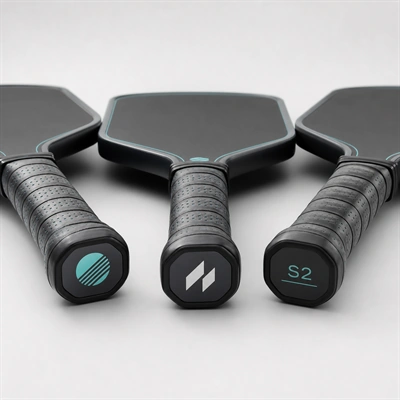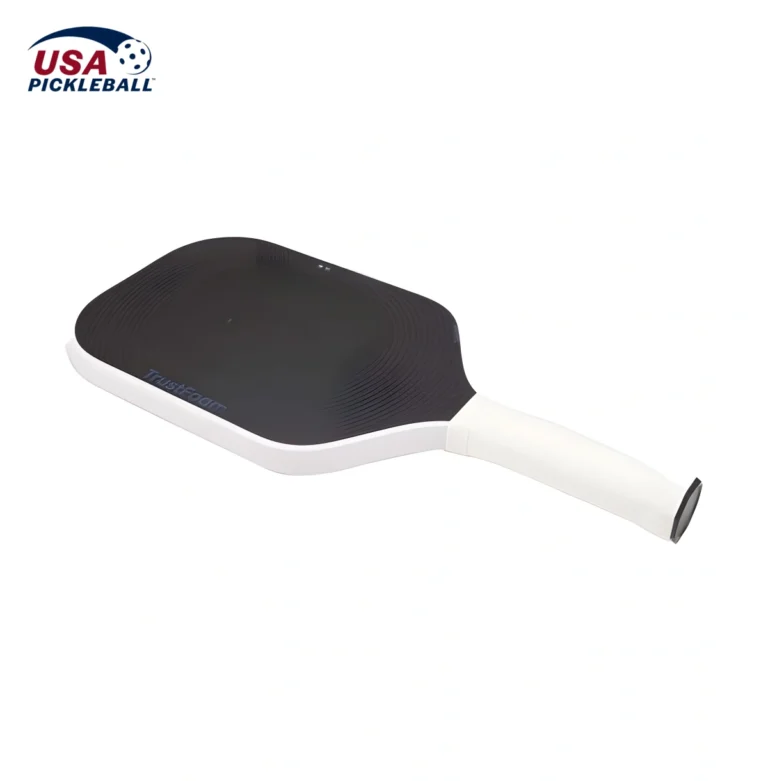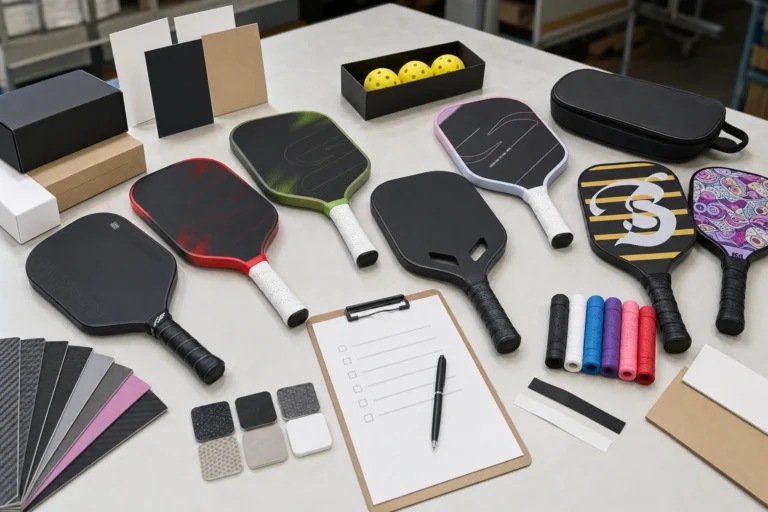
Why Fiberglass Still Belongs in Serious Wholesale Paddle Programs
Fiberglass paddles still work for clubs, schools, starter sets, value lines, and wholesale programs when cost, feel, packaging, and SKU roles are planned well.

Fiberglass is easy to underestimate.
In many pickleball sourcing conversations, buyers start with the material that sounds most advanced. They ask for carbon fiber, T700 raw carbon fiber, thermoformed construction, foam-enhanced cores, or a premium surface story before they have defined the product line.
Those materials and processes can be useful. A carbon fiber paddle can support a stronger technical story. A T700 carbon fiber surface can help a brand position a premium SKU. Thermoformed construction can make sense for certain performance-oriented products.
But serious wholesale paddle programs are not built from one hero material alone.
They are built from a product line that has jobs to do: attract first-time buyers, support clubs and schools, give distributors a reliable value option, create a premium step-up model, fit packaging budgets, and stay repeatable across future orders.
That is why fiberglass still belongs in the conversation.
The better question is not “Is fiberglass better than carbon fiber?” It is “Where does fiberglass fit inside the buyer group, channel, price tier, sample plan, packaging plan, and reorder strategy?”
For many wholesale programs, fiberglass is not the outdated option. It is the practical option that keeps the line accessible.
Table of Contents
The Factory View: Fiberglass Is a SKU Role, Not a Weakness
In a consumer review context, paddle materials are often treated like a ladder: basic materials at the bottom, premium materials at the top. That thinking is too simple for B2B buying.
A wholesale program does not need every SKU to carry the same promise.
An Amazon private-label brand may need one recognizable performance paddle and one lower-risk starter model. A club or school may care more about accessible pricing, comfortable playability, and replacement planning than the most technical surface story. A distributor may need a paddle that is easy for sales teams to explain and simple for buyers to reorder. A retailer may need clear good-better-best tiers that do not confuse shoppers.
Fiberglass pickleball paddles can serve those roles well when the rest of the product is planned correctly.
It can support:
- Value-oriented paddle lines for broad retail or wholesale distribution.
- Starter sets for newer players, schools, clubs, and recreational programs.
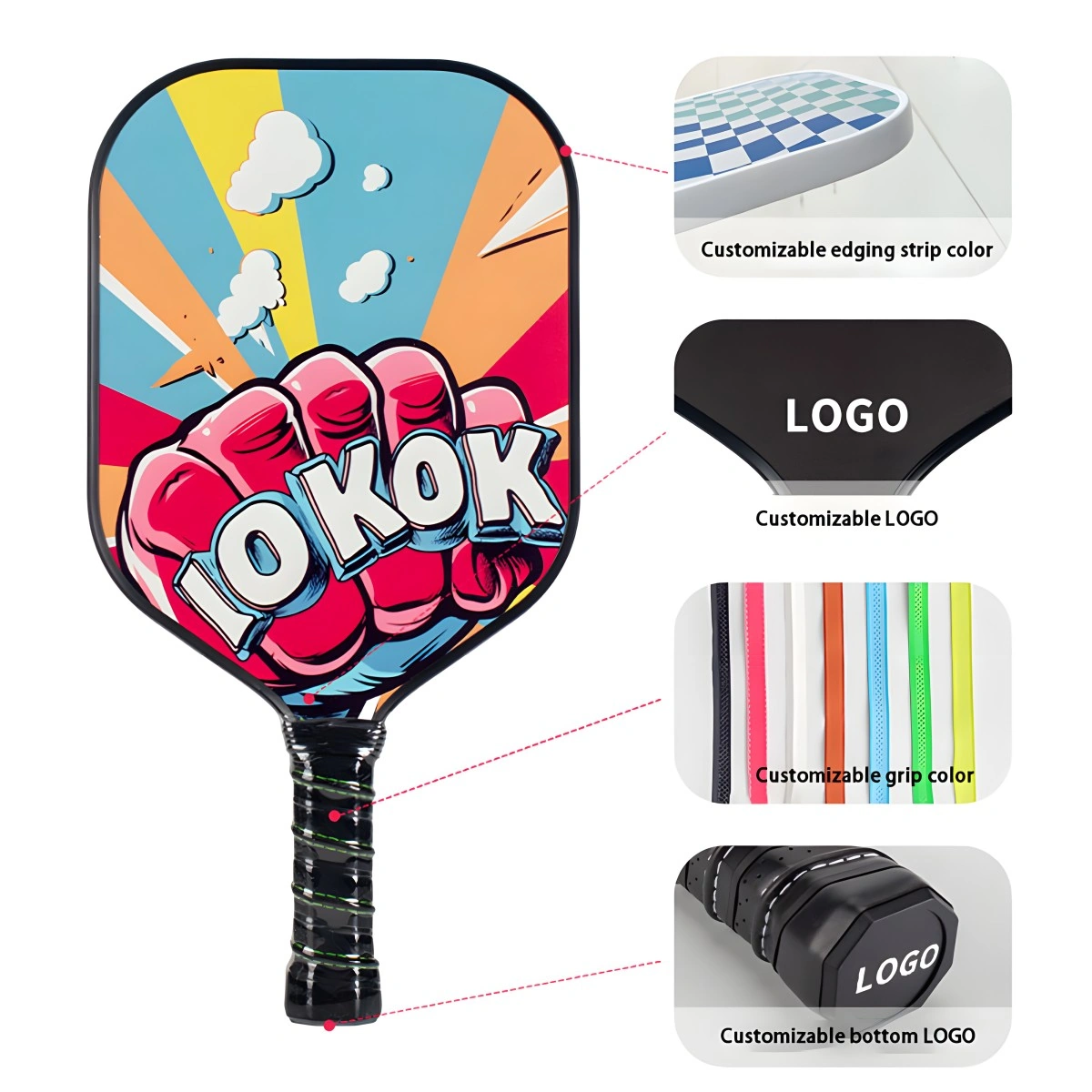
- Promotional or custom logo programs where artwork, color, packaging, and price point matter.
- Supporting SKUs that make a carbon fiber hero product easier to position.
- Entry-level or mid-tier products that need clear selling language without overpromising advanced performance.
This does not mean every fiberglass paddle is automatically right for every buyer. The paddle still needs the correct core, thickness direction, shape, grip, artwork method, packaging, and inspection standard.
But the material should not be rejected only because carbon fiber sounds more premium.
There is also a factory-side branding advantage that buyers often miss. A raw carbon fiber surface, especially when the product relies on visible weave, texture, or a cleaner technical look, can limit how much complex artwork the buyer wants to place on the face. Many premium carbon fiber paddles work best with restrained graphics, logo marks, or controlled print areas.
Fiberglass and composite-style surfaces can give brands more visual freedom. When the face is planned for a smoother printed finish, it can support larger color areas, gradients, retail graphics, club identity, event artwork, or full-face visual concepts more naturally. The exact print method still depends on the confirmed surface, ink system, finish, and compliance requirements, but the commercial point is clear: fiberglass is often a stronger canvas when brand visibility matters as much as technical material language.
Why Serious Programs Still Need Accessible Paddle Options
A common mistake in paddle sourcing is building the whole line around the most technical buyer.
That buyer matters. A performance-focused player may look for carbon fiber, surface texture, a specific thickness, a longer handle, or a more advanced construction story. A brand should have a clear answer for that segment if it wants to compete in performance categories.
But wholesale programs often sell to mixed buyer groups.
A club may buy paddles for lessons, member events, demo days, and beginner programs. A school or recreation department may need a product that is easy to distribute and replace. A retailer may need an opening price point. A distributor may want a simple, stable product that can move through multiple accounts without a long technical explanation.
In those situations, a well-planned fiberglass paddle can do something important: it lowers the barrier to purchase.
That business role matters as much as the material label.
If every paddle in the line is positioned as a premium technical model, the brand may lose buyers who are not shopping that way. The line can become expensive, narrow, and harder to scale. The buyer may approve a beautiful sample, then discover that the product is not the easiest SKU to sell in volume.
Fiberglass gives the line breathing room. It can help a program cover the value tier while carbon fiber, T700, Kevlar, thermoformed, or other material directions handle the performance and premium tiers.
Fiberglass vs Carbon Fiber Is the Wrong First Question
Buyers often ask, “Should we choose fiberglass or carbon fiber?”
That question is useful only after the product role is clear.
A better first question is: “What does this SKU need to do?”
| Decision Area | Fiberglass May Fit When | Carbon Fiber May Fit When |
|---|---|---|
| Buyer group | The product targets beginners, clubs, schools, casual players, or broad wholesale buyers. | The product targets a premium, technical, or performance-aware buyer. |
| Product tier | The brand needs a value or starter SKU. | The brand needs a hero SKU or step-up model. |
| Sales channel | The product must be easy to explain across bulk accounts. | The product page can support a stronger technical story. |
| Program role | The paddle supports sets, custom logo projects, or accessible bundles. | The paddle carries the brand’s main performance claim. |
| Sampling focus | Feel, artwork, packaging, and price-position fit matter most. | Surface, process, thickness, balance, and technical differentiation matter more. |
| Risk | Overpromising performance would hurt credibility. | Under-explaining the technical value would weaken positioning. |
The best answer is often not one or the other.
A serious paddle program may use fiberglass for the accessible line and carbon fiber for the performance line. It may use a fiberglass starter paddle to support a club package, then offer a T700 carbon fiber paddle as the upgrade. It may use custom artwork and packaging to make the fiberglass SKU feel brand-owned instead of generic.
That is product architecture. It is stronger than material ranking.
The playing-feel context also matters. Carbon fiber directions are often chosen when the buyer wants a more controlled, technical, or premium response, but that does not make them automatically easier for every player. Fiberglass can offer a livelier, more forgiving feel for many beginner, recreational, school, and club-use programs, especially when the core, thickness, weight range, and grip are selected around that user group.
In other words, fiberglass is not only a price decision. It can be a playability decision for slower swing speeds, casual rallies, teaching programs, and broad participation products where the paddle should help the user enjoy the game quickly.
Where Fiberglass Can Strengthen a Wholesale Line
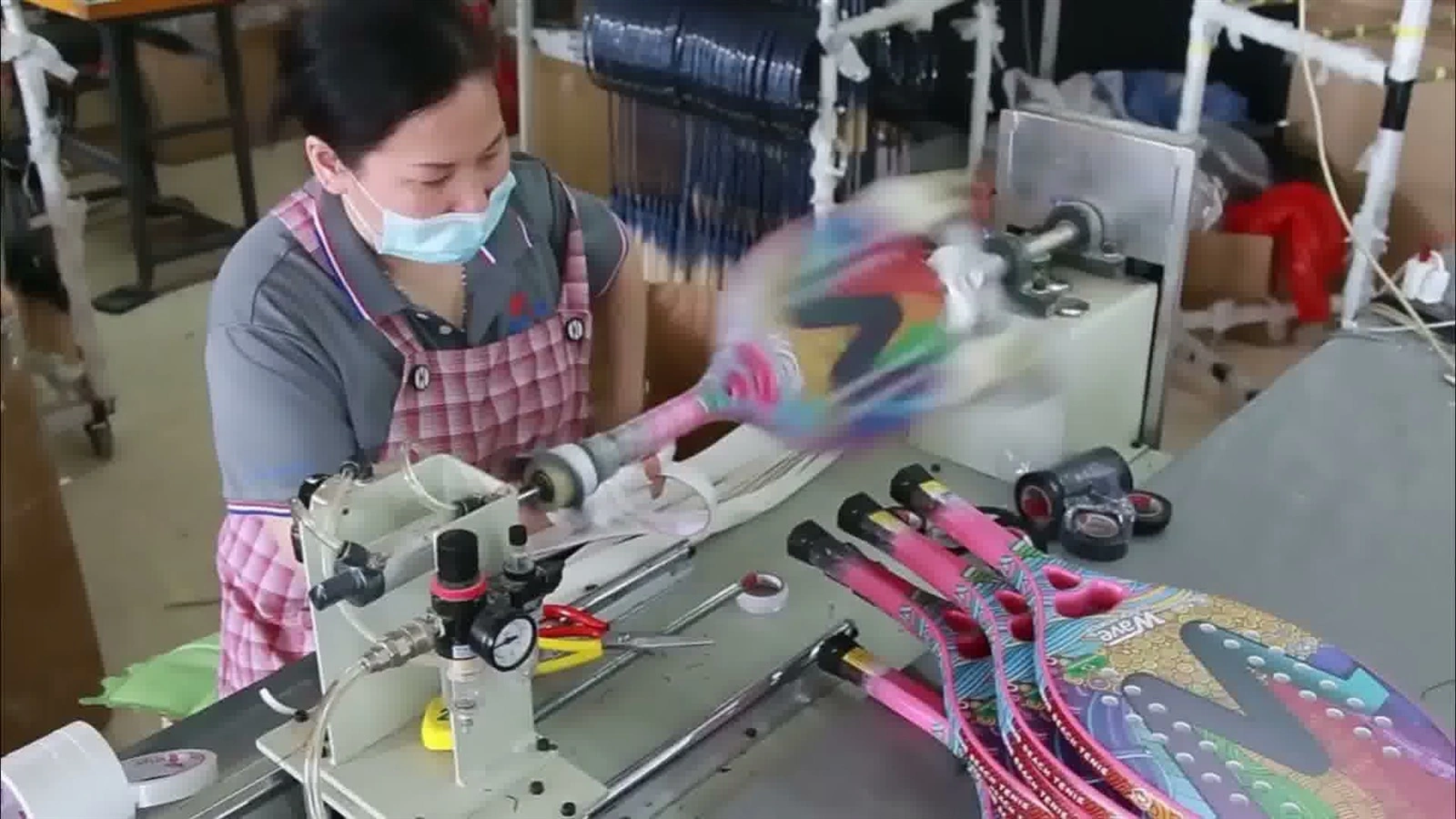
Fiberglass belongs in serious wholesale planning when it has a clear job. Here are the most practical jobs.
1. The Value Line
Not every SKU should carry the cost structure or product promise of a premium paddle. A value line can help a brand serve more accounts, create entry-level options, and support reorder volume.
Fiberglass can work here because the buyer is not only purchasing a material. The buyer is purchasing a sellable product at a usable price point.
There is also a financial reason to keep a fiberglass value line in the mix. For new brands, regional distributors, and growing wholesale programs, building the whole catalog around premium carbon fiber can tie up more working capital before the channel has proven repeat demand. A fiberglass value SKU can help test accounts, move opening orders faster, and create a healthier blended margin across the line when it is paired with higher-tier carbon fiber or T700 products.
This does not mean the cheapest paddle is the smartest paddle. It means the product line should protect cash flow, inventory turn, and reorder confidence while the brand learns which channels deserve deeper premium-SKU investment.
The factory conversation should still cover weight range, core direction, grip, edge guard, artwork, packaging, inspection needs, and sample approval. A value SKU still needs discipline.
2. Club, School, and Recreation Programs
Clubs, schools, camps, and recreation programs often need paddles that are accessible, replaceable, and easy for mixed skill levels to use.
For these buyers, the question is rarely “Which material sounds most premium?” The more practical question is “Can this paddle support the program without creating unnecessary cost or explanation?”
Fiberglass can be useful in this role when paired with sensible packaging, clear labeling, and stable reorder planning.
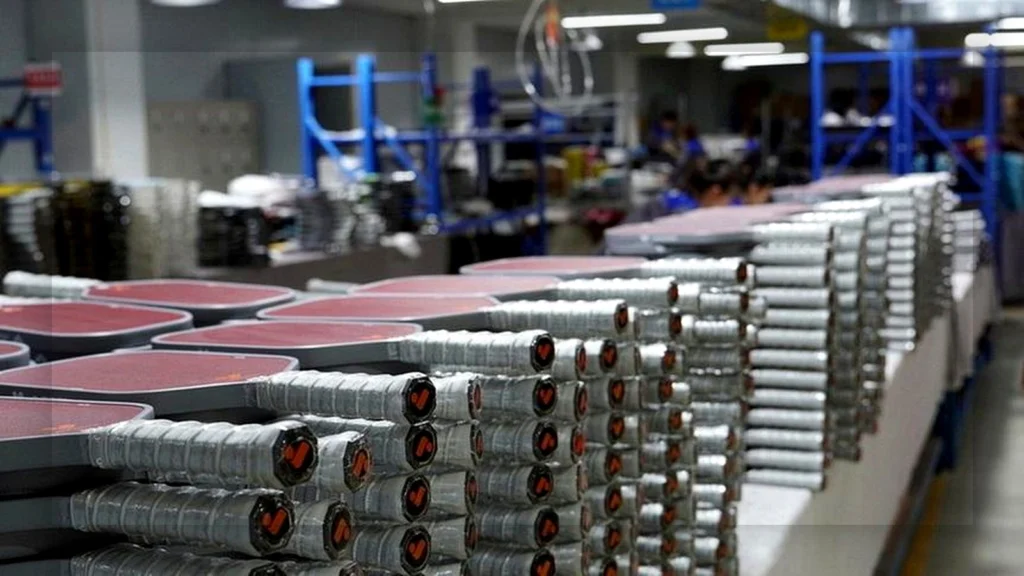
3. Starter Sets and Bundle Programs
Bundles need balance. The paddle, balls, packaging, instruction card, bag, or other accessories must work together as a product offer.
If too much budget goes into a premium surface story, the full set may become harder to position. A fiberglass paddle can make more sense when the buyer wants a complete starter set, giftable package, club kit, or promotional bundle.
The material is only one part of the buyer’s perceived value.
4. Supporting SKUs Around a Hero Paddle
A strong product line often has a hero SKU and supporting SKUs.
The hero SKU may be a carbon fiber or T700 model with a stronger performance story. The supporting SKU may be fiberglass, built for accessibility, custom logo flexibility, or broader distribution.
This keeps the product line from becoming flat. If every paddle uses the same premium material story, the buyer may struggle to explain why one model exists beside another.
Fiberglass helps create separation.
5. Custom Logo and Promotional Projects
For custom logo programs, the buyer may care about brand color, artwork placement, packaging, event use, and delivery planning as much as material language.
Fiberglass can be a practical choice when the project is built around branding, gifts, club events, or broader wholesale use. The sample should still be reviewed carefully, especially for artwork clarity, color expectations, grip comfort, packaging protection, and repeatability.
This is where the printability advantage becomes commercially important. If the buyer wants a high-impact retail paddle, a club-branded training paddle, a corporate event paddle, or a promotional set with strong color identity, fiberglass can make the design conversation easier. The factory can discuss UV digital printing, heat-transfer style artwork, silk-screen options, protective finish choices, and how the final surface should balance appearance, feel, and compliance needs.
For a buyer, that changes the meaning of fiberglass. It is not just “the lower-cost material.” It can be the better branding surface for projects where the paddle face needs to carry the visual story.
What Buyers Should Not Assume About Fiberglass
Fiberglass deserves a place in wholesale planning, but it should not be oversold.
Buyers should avoid three assumptions.
First, do not assume fiberglass automatically means “cheap.” A weak fiberglass paddle can damage a brand, but a well-planned fiberglass SKU can fill a real business role.
Second, do not assume fiberglass is the right choice only because the target price is lower. The paddle still needs to fit the buyer group, channel, packaging plan, and reorder expectation.
Third, do not turn fiberglass into a vague claim. Material alone does not define control, power, durability, approval status, or buyer satisfaction. The full specification and production standard matter.
This is the same principle that applies to carbon fiber and T700. A material name is useful, but it is not the whole product.
QC and Repeatability Matter More Than the Label
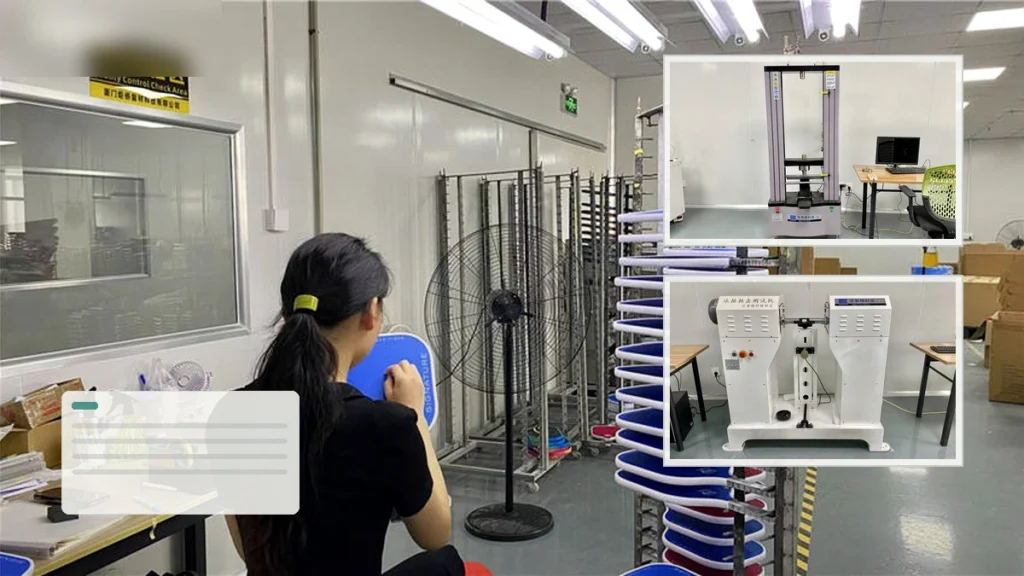
For wholesale orders, the approved sample is only the beginning.
The real test is whether the bulk order can stay close to the approved standard. A clear quality control plan should include:
- Paddle weight range.
- Thickness and core consistency.
- Surface appearance.
- Edge guard fit.
- Grip installation.
- Logo and artwork accuracy.
- Packaging protection.
- Carton labeling and shipment preparation.
- Inspection records for the production batch.
Fiberglass programs should not be treated casually just because they are often used for value lines. If the paddle is going into a club, school, retail account, or distributor program, the buyer still needs a repeatable standard.
The same is true for premium materials. Carbon fiber does not remove the need for QC. T700 does not guarantee a finished product. Thermoformed construction does not automatically make a SKU better for every channel.
Material choice should support the program. Production control should protect it.
A Better Sample Brief for Fiberglass Paddle Programs
Instead of asking only for “a fiberglass pickleball paddle,” buyers should prepare a short sample brief.
Include:
- Target buyer: beginner, club, school, retailer, distributor, promotional buyer, or private-label customer.
- SKU role: value line, starter set, custom logo paddle, club paddle, supporting SKU, or opening price point.
- Sales channel: Amazon, retail, wholesale distributor, club program, school program, event, or direct brand store.
- Material direction: fiberglass, carbon fiber, T700, Kevlar, hybrid direction, or factory recommendation.
- Construction direction: standard cold-pressed, thermoformed, edge guard, edgeless, or other factory-supported structure.
- Thickness and feel preference: control-oriented, balanced, faster feel, or sample comparison needed.
- Artwork plan: logo, pattern, color direction, printing method, and packaging artwork.
- Packaging plan: single paddle, set, club kit, retail box, polybag, carton labeling, or buyer-specific packaging.
- Compliance expectation: whether the project needs USAPA-ready development support or recreational-only positioning.
- Reorder goal: one-time event order, seasonal reorder, distributor restock, or long-term private-label line.
This kind of brief gives the factory a better starting point than a material name alone.
It also helps the buyer compare samples correctly. A fiberglass value paddle should not be judged by the same promise as a premium carbon fiber hero SKU. Each sample should be judged against its job.
When Fiberglass Is the Wrong Choice
Fiberglass is not always the answer.
It may be the wrong direction when the brand’s main promise is a premium technical paddle, when the target buyer expects a stronger carbon fiber story, when the product page depends on advanced material positioning, or when the program needs a clearly higher-tier performance identity.
It may also be the wrong choice if the buyer wants to make strong claims that the material and final specification do not support.
In those cases, carbon fiber, T700, thermoformed construction, Kevlar blends, or another direction may fit better.
The point is not to defend fiberglass everywhere. The point is to stop removing it from serious programs too early.
The Stronger Way to Build a Wholesale Paddle Program
A serious wholesale paddle program should not start with one material label.
It should start with a product map.
For example:
- Fiberglass value paddle for clubs, schools, starter sets, and broad wholesale buyers.
- Carbon fiber control paddle for the main retail or Amazon product line.
- T700 or other premium surface direction for a technical hero SKU.
- Custom logo paddle direction for brand, event, or private-label programs.
- Accessories and packaging options that make the line easier to sell as a complete offer.
This structure is easier to explain, easier to sample, and easier to reorder than a flat line where every SKU competes with the same material story.
Fiberglass earns its place when it helps the line serve real buyers.
VortexPaddle Note
VortexPaddle supports OEM, ODM, private-label, and wholesale pickleball paddle programs for brands, clubs, distributors, retailers, and sports product companies.
If you are planning a wholesale paddle line, compare fiberglass and carbon fiber through buyer group, SKU role, sample target, artwork plan, packaging needs, QC expectations, and reorder strategy.
Do not choose fiberglass only because it is accessible. Do not choose carbon fiber only because it sounds premium.
Choose the material that fits the program.
Request our fiberglass vs carbon fiber sample planning kit, or ask for a mixed-material sample set that compares value-line, custom-logo, and premium paddle directions before you commit to a full SKU map.
Request a Fiberglass vs Carbon Fiber Sample Planning Kit
FAQ
Are fiberglass pickleball paddles only for low-end programs?
No. Fiberglass paddles can fit value lines, starter sets, clubs, schools, custom logo projects, and broader wholesale programs. The key is to assign fiberglass a clear SKU role instead of treating it as a generic low-cost option.
Is carbon fiber always better than fiberglass for wholesale paddle lines?
No. Carbon fiber can support premium and technical positioning, but fiberglass may fit accessible price tiers, club programs, school programs, recreational bundles, and supporting SKUs. The right choice depends on buyer group, channel, product role, packaging, and reorder strategy.
Can a serious paddle brand include both fiberglass and carbon fiber?
Yes. Many product lines are stronger when they use different materials for different jobs. Fiberglass can serve the value or starter role, while carbon fiber or T700 can support premium, control, power, or technical SKUs.
Does fiberglass guarantee a certain playing feel?
No single material label guarantees control, power, spin, or comfort. Paddle feel depends on the full specification, including core, thickness, shape, weight range, surface, grip, construction process, and sample testing.
Should fiberglass paddles be planned differently for wholesale orders?
Yes. Wholesale buyers should define target buyer, SKU role, artwork, packaging, QC standards, compliance expectations, and reorder goals before approving samples. Bulk consistency matters even when the paddle is positioned as a value line.
Can fiberglass paddles be part of USAPA-ready development?
Yes, a fiberglass paddle can be planned as part of a USAPA-ready development path when the complete paddle specification is designed for the relevant requirements. But approval should not be claimed from the material name alone. USA Pickleball certification depends on the submitted model meeting equipment standards, passing testing, being listed appropriately, and staying consistent in production.
For a new brand, a fiberglass SKU can be a practical first compliance-planning candidate when the goal is to test the certification workflow with a clear, accessible product. The buyer should still confirm surface finish, roughness, friction, rebound behavior, model designation, artwork, and ongoing production consistency before making any approval or tournament-use claims.